

Water Pressure
Dangers of pool, puddle, pond and salt water
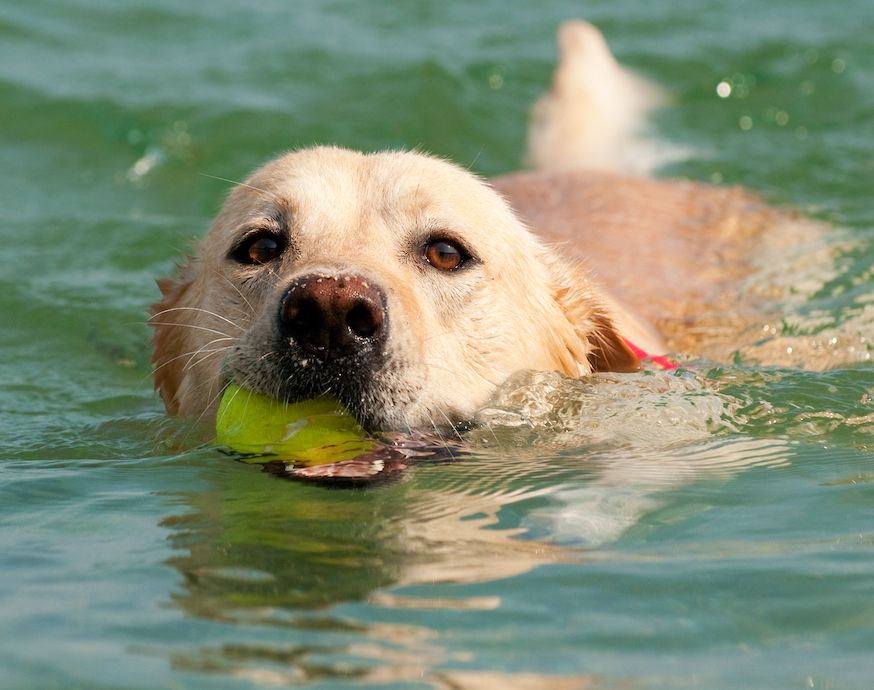

Is it safe for my dog to drink water from my swimming pool?
On warm summer days, the pool can be an excellent place for dogs to cool off and get some exercise. They may even take the opportunity to quench their thirst. If your pool is treated properly, the chlorine levels should be low enough that swallowing a little water will not be harmful.
The problems start when a dog decides that the pool is a giant water bowl. Chlorine is a disinfectant used in pools. If dogs consume too much chlorinated water, it can irritate their gastrointestinal tract, causing vomiting, diarrhea and stomach pain, as well as irritation and ulceration of the esophagus.
While high chlorine levels can make your dog sick, pool water can actually be more dangerous if the chlorine levels are too low. Untreated pool water can contain algae, bacteria, parasites and other harmful microorganisms.
It’s a good practice to keep plenty of fresh drinking water nearby for your dog, and redirect her if you notice her drinking from the pool. If you need to do a chemical shock to rebalance the pool, make sure to keep your dog away until all the chemical levels return to normal.
One alternative to chlorine is bromine, which is more expensive but safer overall for pets. The biggest toxic concerns are with the chlorine tablets. Other chemicals such as borates and pH balancers can also be harmful to dogs if ingested in large amounts. Make sure to store these in a safe place where your dog cannot get to them.
After swimming, rinse your dog thoroughly with fresh water to remove any pool chemicals. If your dog drinks a large amount of pool water and shows any signs of illness, such as vomiting, diarrhea or lethargy, have him examined by a veterinarian.
My dog likes to drink out of puddles. Is that OK?
Shallow puddles from recent rain falls are probably fine. However, bodies of stagnant water, even small ones, can be breeding grounds for mosquitoes that carry heartworm disease and the bacteria that causes leptospirosis.
Leptospirosis in dogs is a serious bacterial disease that can cause kidney and liver failure, and even death in severe cases. This disease is zoonotic, which means it can be transmitted to humans. The symptoms vary widely, but commonly include vomiting, diarrhea, fever and jaundice (yellowing of the eyes, gums and skin), nosebleeds, labored breathing and even death.
The bacteria called Leptospira is spread through the urine of infected animals, often rodents. Dogs can contract the disease by drinking contaminated water, coming into contact with infected urine, or being bitten by an infected animal.
Leptospirosis is diagnosed by blood tests. There are many different strains of the bacteria. Treatment involves antibiotics, like doxycycline, and supportive care, including intravenous fluids and antinausea medication, to control the symptoms and prevent organ damage. Dogs with severe disease may need intensive care measures such as oxygen therapy, mechanical breathing support or dialysis.
Vaccines are available to protect dogs against leptospirosis infection. Because of the risk and severity of leptospirosis, the American Veterinary Medical Association is recommending that all dogs be vaccinated. This can help protect people from infection, too. An initial series of two vaccinations spaced four weeks apart is typically recommended, followed by annual boosters.
Reducing your dog’s exposure to possible sources of Leptospira bacteria can minimize the chances of infection. Avoid letting your dog drink from or swim in stagnant water, and prevent contact with potentially contaminated water sources. Empty buckets and containers that can collect water and attract rodents and wildlife.
Should I let my dog swim in the local pond?
That depends on the appearance of the water. If the water is clear, then swimming should be fine and great fun for your dog. If the surface of the water has a blue or green coating, the pond water may have a floating layer of blue-green algae that can be deadly.
Algae blooms are found in stagnant water, especially during warm weather or after periods with a noticeable lack of rain. They may appear as either blue-green or red-brown colored blooms, mats, foam or scum on the water. The water may also smell of rotting plant material.
Blue-green algae poisoning, also known as cyanobacterial toxicosis, occurs when dogs drink or swim in water contaminated by an algae bloom. Algal blooms are an overgrowth of cyanobacteria, which can produce numerous types of cyanotoxins. The two most serious types of cyanotoxins are called microcystin and anatoxin.
The clinical signs for cyanobacteria toxicosis will vary depending on the specific toxins in the water. The two most dangerous toxins affect the liver, skin and nervous system.
Clinical signs can develop rapidly or over several hours and may include diarrhea, weakness, pale gums, collapse, drooling, muscle tremors, paralysis, seizures and sudden death.
Prompt treatment is important in all cases of poisoning, but since blue-green algae attack so fast, immediate intervention is critical. If you know your dog consumed potentially toxic algae, seek immediate veterinary care.
There is no antidote for cyanobacteria toxicosis. Decontamination is the first step. Treatment involves intensive supportive care for patients experiencing shock or trouble breathing. If the dog becomes symptomatic from liver or nerve toxins, the prognosis is poor to grave despite aggressive treatment. Some dogs die before reaching a veterinarian.
The best way to prevent cyanobacteria poisoning is to prevent access to blue-green algae sources. Fence off contaminated ponds and remove all stagnant water. Do not let dogs swim in contaminated water. Even simply licking the water off their coat can be fatal.
Can dogs drink saltwater when they are at the beach?
Dogs that consume large amounts of saltwater are at risk for saltwater toxicity, also known as salt poisoning or hypernatremia. This is a potentially life-threatening condition that occurs when there are high levels of salt in the bloodstream, causing an imbalance of electrolytes, particularly sodium.
Sodium is an essential electrolyte in the body, but when its levels become too high, it can lead to a range of health problems, including dehydration and neurological problems. In severe cases, it can lead to seizures, brain swelling, coma and death.
Dogs may ingest saltwater while swimming and playing in the ocean, a backyard saltwater pool or other saltwater bodies. If dogs do not have access to clean, fresh water for extended periods, they are more likely to drink saltwater. Dogs may also swallow excessive amounts of salt from other sources, such as playdough and salty snacks (chips, pretzels), or foods heavily seasoned with salt.
Signs of salt toxicity include vomiting, diarrhea, excessive thirst and urination, disorientation and muscle weakness. If you suspect that your dog may have ingested a large amount of saltwater or salt-containing substances and is showing signs of toxicity, it is crucial to seek immediate veterinary care.
The treatment for salt toxicity usually involves gradually rehydrating the dog with intravenous fluids, correcting electrolyte imbalances, and managing any neurologic symptoms. If your dog’s sodium levels have been elevated for more than 12 hours, it is essential to lower these levels slowly. Rapidly lowering sodium concentrations can lead to swelling of the brain and coma.
Always ensure your dog has access to a constant supply of fresh, clean water, especially at the beach. Take frequent breaks from swimming to prevent your dog from drinking saltwater. After swimming in saltwater, rinse your dog with fresh water to remove any salt residue from his coat.